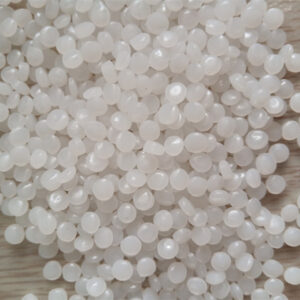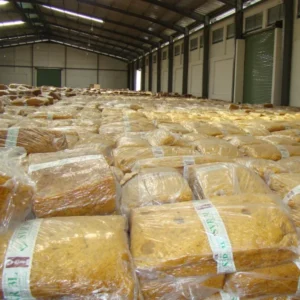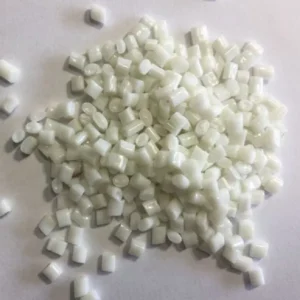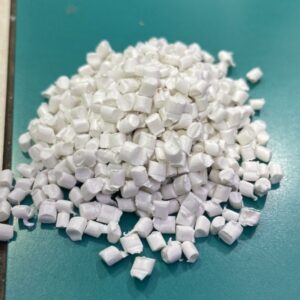
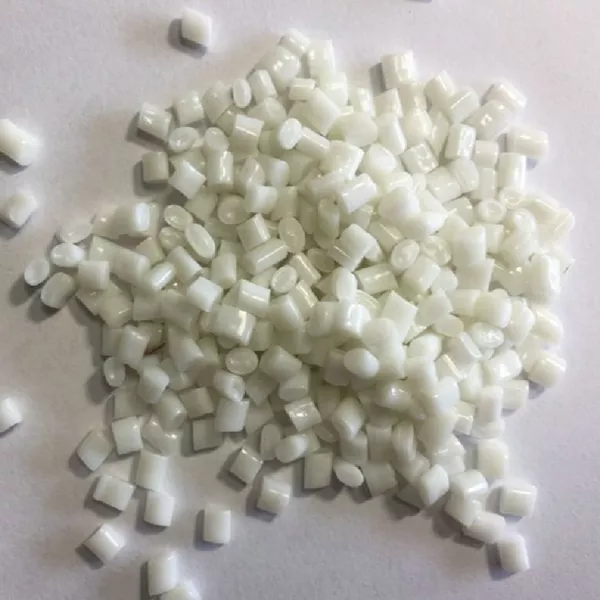
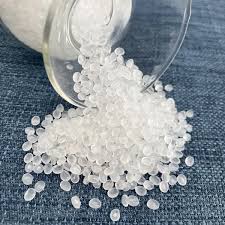
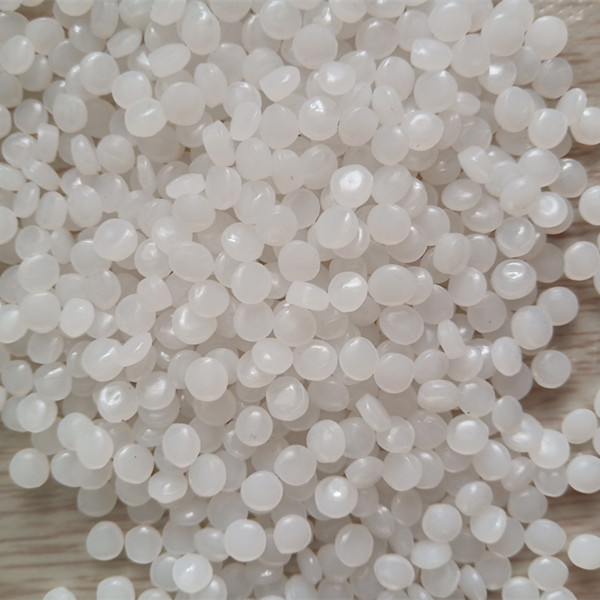
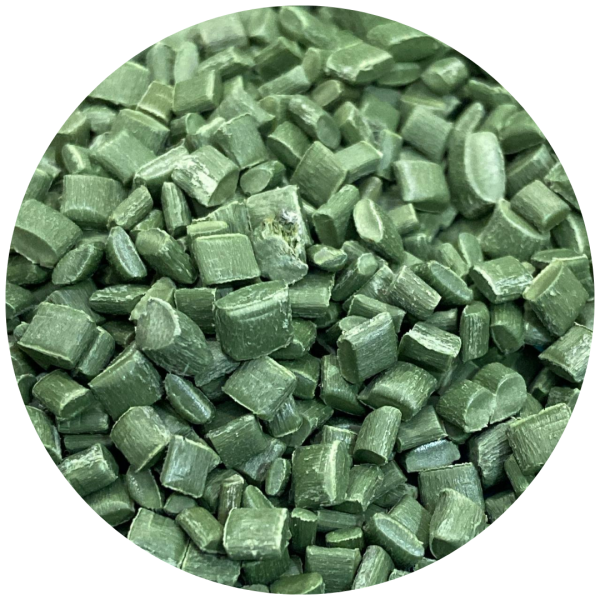
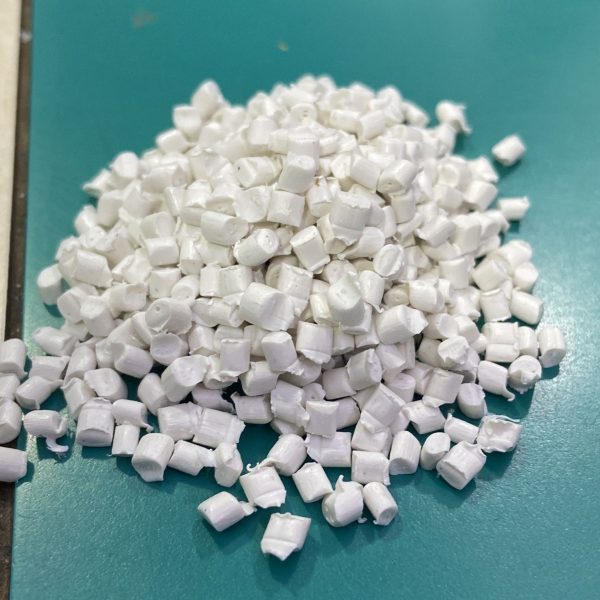
Polypropylene plastics perform well in many areas, which makes them useful for a variety of applications. Some key features of polypropylene are:
- Low Density: Polypropylene material has a low density, making it lightweight and ideal for applications that require lower product weight without compromising structural integrity.
- Chemical Resistance: Polypropylene plastics resist many chemicals, including acids and organic solvents. This makes it a good choice for chemical storage, lab equipment, and industrial parts.
- Electrical Insulation: PP offers strong electrical insulation, even in humid conditions. Its low dielectric constant and resistance to moisture make it suitable for electrical housings, cable insulation, and electronics.
- Tough and Flexible: Polypropylene is rigid enough for structural uses but can also flex without breaking. This balance helps it work well in both durable goods and flexible packaging or textiles.
- Fatigue Resistance: PP resins can handle repeated bending and flexing without cracking, making them ideal for applications like flip-top caps, lids, and closures.
- Heat Resistance: Polypropylene material offers higher heat resistance compared to other plastics, making it suitable for hot-fill packaging, microwave-safe containers, and automotive components.
- Transmissivity: Polypropylene plastics are naturally translucent or opaque, but they can be made clearer for uses like food packaging, medical containers, and consumer products.
- Recyclability: Polypropylene is a recyclable thermoplastic. Its durability and ability to be reused help products last longer and reduce waste.