





Product Overview
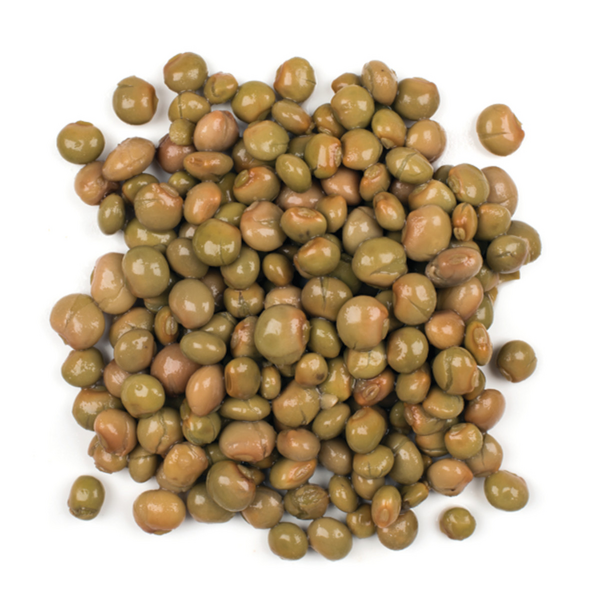
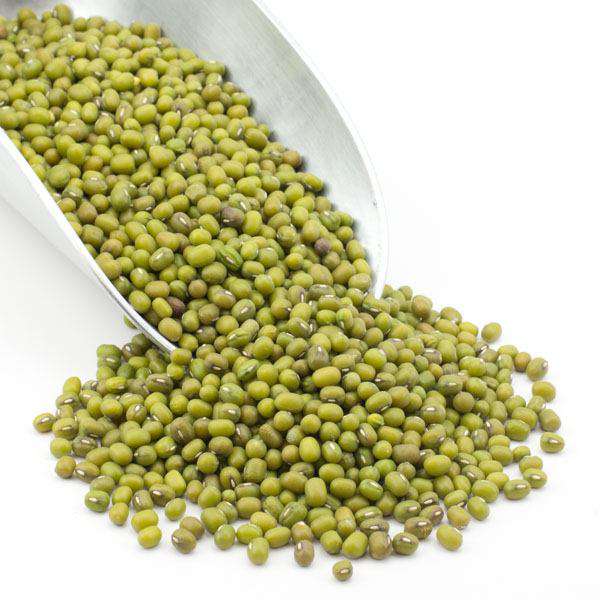
Organic mung beans are small, oval-shaped legumes with a smooth green outer skin and a pale interior. When cooked, they develop a soft, tender texture while maintaining their shape, and they absorb surrounding flavors easily due to their mild, neutral taste. These beans are widely used in a variety of cuisines and can be prepared in multiple ways, from whole cooked dishes to flour-based recipes. Their versatility makes them suitable for both simple meals and more complex preparations.
Nutritional Value
Mung beans contain a range of naturally occurring nutrients as part of their whole-legume composition. They include magnesium, zinc, manganese, and iron, along with potassium and dietary fiber. The beans also contain protein and B vitamins, including folate, as well as vitamin K. These components are present in the dried beans and remain available after cooking or sprouting.
Ways to Use
Mung beans can be used in a variety of culinary applications thanks to their mild flavor and ability to absorb seasonings. When cooked, they work well in soups, stews, and curries, where they take on the taste of spices and other ingredients. They can also be combined with vegetables such as tomatoes and carrots to create hearty dishes.
The beans can be ground into flour and used in baking or for making noodles and other grain-based foods. Their neutral taste allows them to blend easily into both savory and lightly sweet recipes. Because they do not require extended soaking, they can be prepared relatively quickly, though soaking for a few hours can help reduce cooking time.
Storage Recommendations
Store mung beans in an airtight container in a cool, dry place to maintain their quality. Keeping them protected from moisture and heat helps preserve their texture and shelf life. When stored properly, they can remain usable for long periods without significant changes.
Additional Instructions
To cook mung beans, rinse them thoroughly and place in a pot with enough water to cover them by about 2 inches. Cook over low heat with a lid, adding salt and spices toward the end of cooking. Additional water may be added if needed during the process.
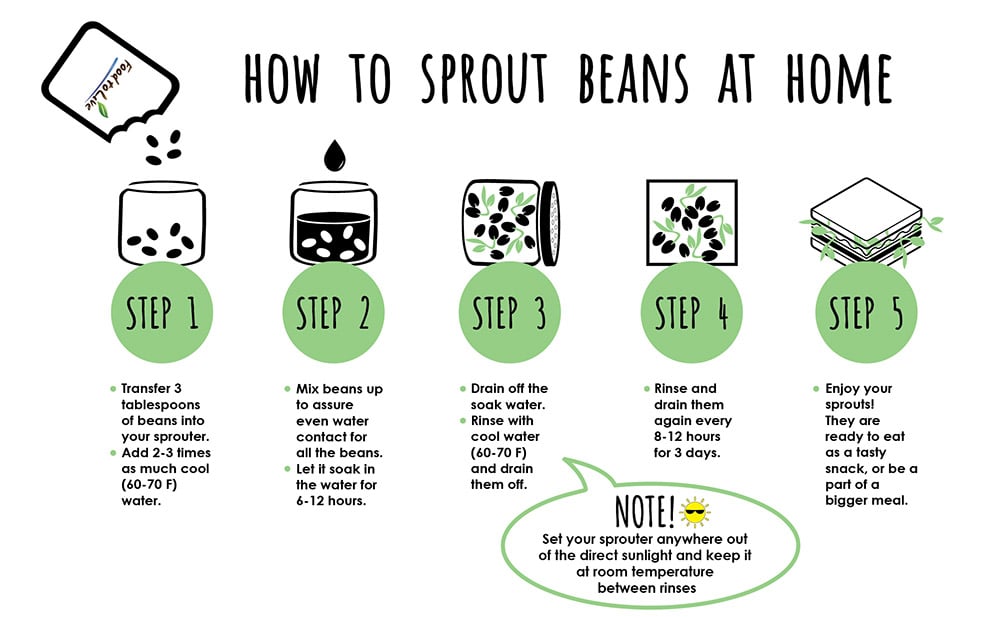
For sprouting, soak the beans in water for 8–12 hours, then drain and rinse. Place them in a container covered with breathable material, keep at an angle for drainage, and rinse several times daily. Continue the process for about 3 days until sprouts develop.
Enjoy your home-made sprouts!